

Brand Name(s): Dibenzyline®, Dibenyline®, Dibenzyran®, Fenoxene®
Generic Name: Phenoxybenzamine
For: Dogs, Cats, and Horses
What is phenoxybenzamine?
Phenoxybenzamine is a smooth muscle relaxer and an alpha-adrenergic blocker used to reduce urinary sphincter tone in order to relax the bladder and allow easier urination. It is also used to treat high blood pressure related to pheochromocytoma. It has also been used as an adjunctive treatment for endotoxicosis, and as a treatment for laminitis in horses.
Its use in cats, dogs, and horses to treat high blood pressure and high urinary sphincter tone is considered ‘off label’. Many drugs are commonly prescribed for off label use in veterinary medicine. In these instances, follow your veterinarian’s directions and cautions very carefully as their directions may be significantly different from those on the label.
How should phenoxybenzamine be given?
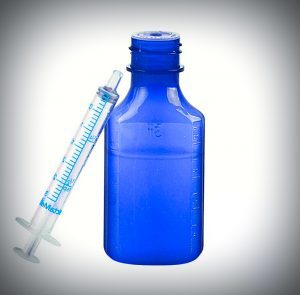
Phenoxybenzamine is typically given by mouth. It may also be specially compounded into a other forms. It may be given with or without food; however, if vomiting occurs when dosed on an empty stomach, give future doses with food. Measure liquid forms carefully.
This medication should take effect within 1 to 2 days, and improvements in clinical signs should follow.
What if I miss giving my pet a dose of phenoxybenzamine?
If you miss a dose, give it when you remember, but if it is close to the time for the next dose, skip the dose you missed and give it at the next scheduled time, and return to the regular dosing schedule. Never give your pet two doses at once or give extra doses.
What are the potential side effects of phenoxybenzamine?
Common side effects include nausea, vomiting, diarrhea, small pupils, increased heart rate, and nasal congestion/stuffy nose. In horses, phenoxybenzamine can cause constipation. Serious side effects include fainting, excessive tiredness, weakness, or dizziness.
This moderate-acting medication should stop working in a few days, although effects can be longer in pets with liver or kidney disease.
Are there any risk factors for this medication?
Do not use phenoxybenzamine in pets that are allergic to it, in pets that cannot handle low blood pressure, or in horses with colic. It should be used with caution in pets with glaucoma, diabetes, kidney disease, congestive heart failure or other heart disease, or in male breeding animals. Phenoxybenzamine should be used cautiously in pregnant or lactating animals and only when the benefits outweigh the risks.
Are there any drug interactions I should be aware of?
The following medications should be used with avoided or used caution when given with phenoxybenzamine: anti-hypertensive agents (medications that treat high blood pressure), epinephrine, phenylephrine, or reserpine.
What should I do if I think I overdosed my pet on phenoxybenzamine ?
Overdoses of phenoxybenzamine can be serious because they can cause dangerously low blood pressure. If you witness or suspect an overdose of phenoxybenzamine in your animal, contact your veterinarian or an animal poison control center for further advice.